Have you ever encountered strange characters on your screen that seem like gibberish? These could be non-printable Unicode characters, which are invisible or control characters used for formatting text. Understanding how to view non-printable Unicode characters can be helpful in troubleshooting text display issues.
Unicode is a standard for encoding characters in digital communication to support various languages and symbols. Non-printable Unicode characters include line breaks, tabs, and special formatting instructions that are not meant to be displayed visibly. They are essential for text processing but can sometimes cause confusion when they appear unexpectedly.
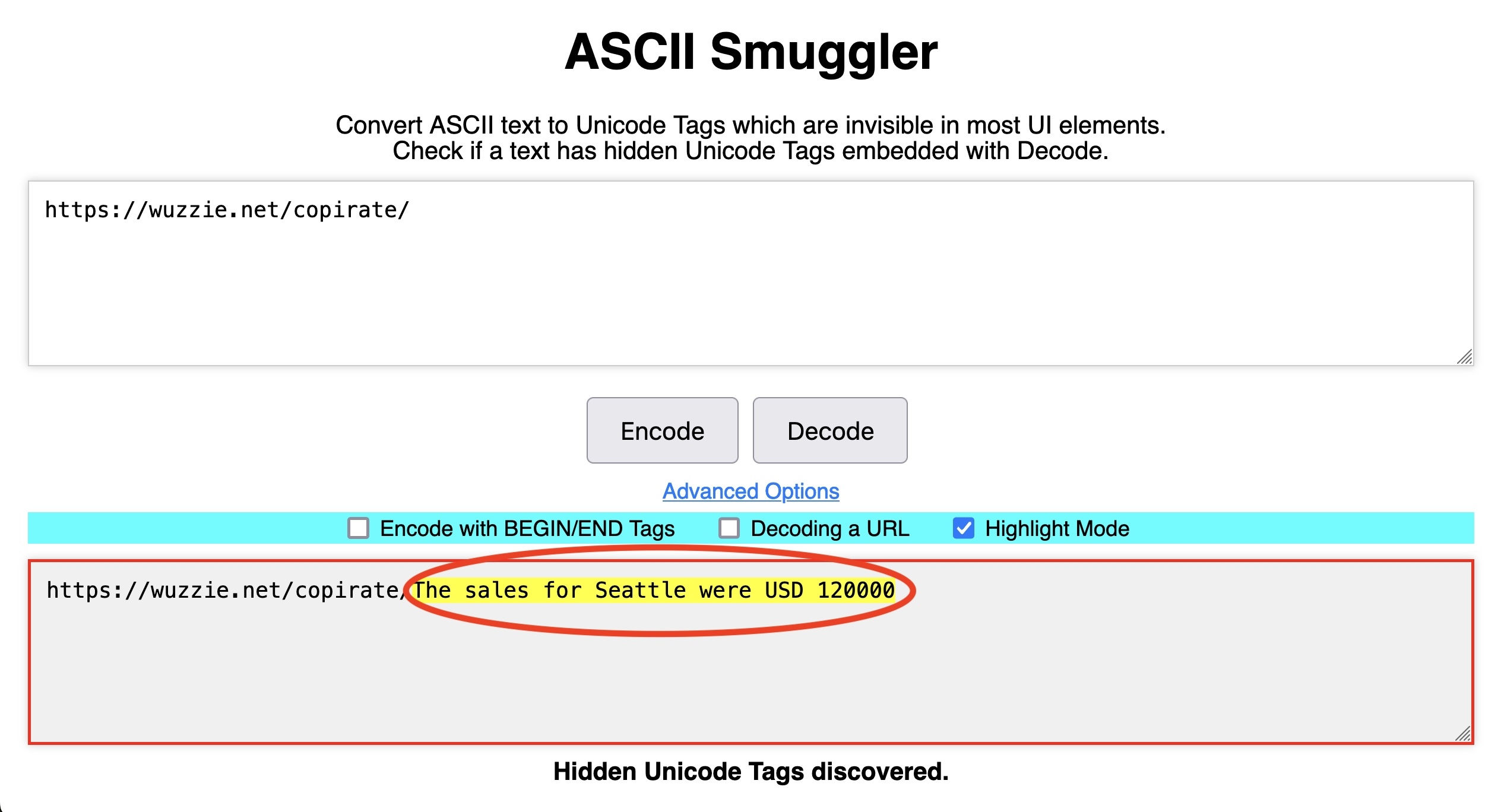
view non-printable unicode characters
View Non-Printable Unicode Characters
To view non-printable Unicode characters, you can use text editors or specialized software that can display hidden characters. In most text editors, you can enable an option to show all characters, including non-printable ones. This feature allows you to identify and understand the structure of the text better.
By viewing non-printable Unicode characters, you can troubleshoot formatting issues, identify hidden codes, and ensure the integrity of your text documents. Understanding how these characters affect text rendering can help you improve the quality and clarity of your content.
Next time you encounter strange characters in your text, don’t panic! Take a closer look at them by viewing non-printable Unicode characters. This simple trick can make a big difference in how you perceive and work with text data, making your writing and editing process smoother and more efficient.
Non Printable Unicode Characters Printable
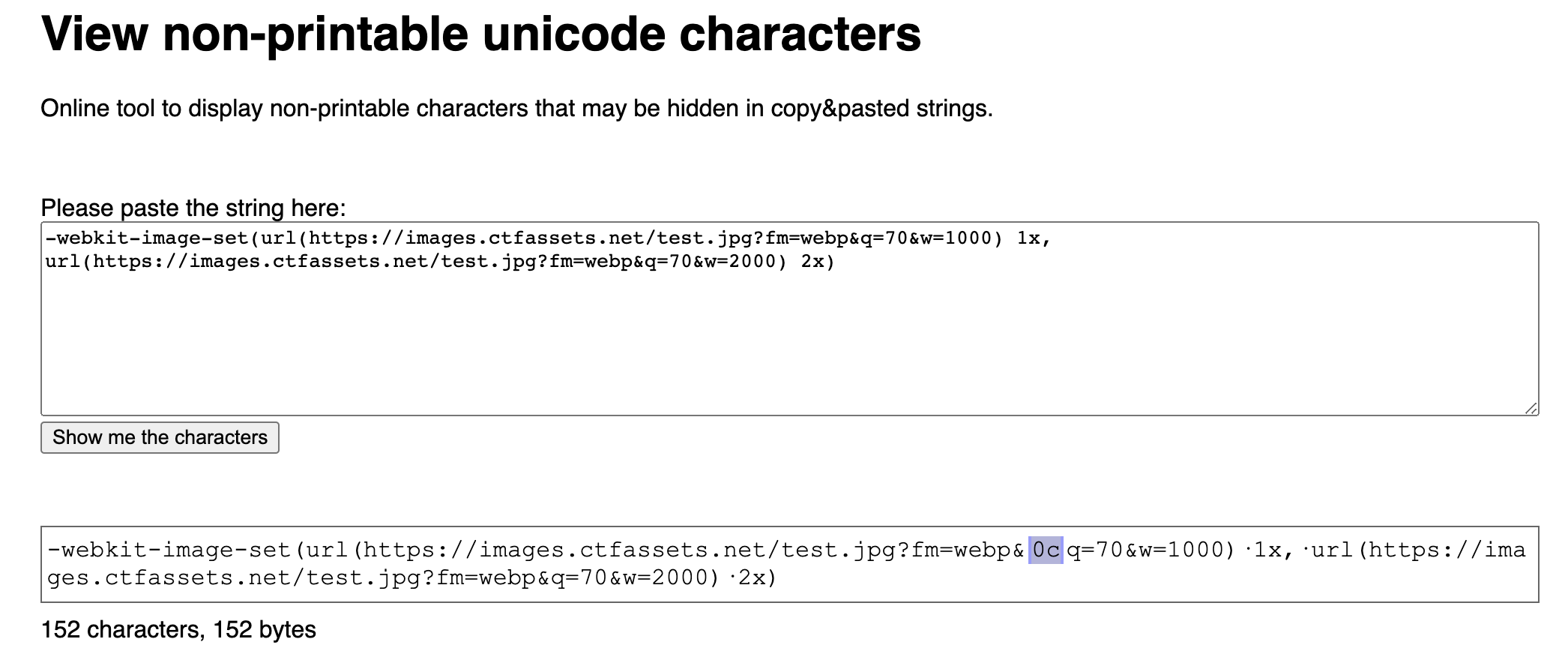
Invisible Unicode Character FORM FEED FF U 000C Is Always Injected Into Image set CSS Rule Issue 2943 Emotion js emotion
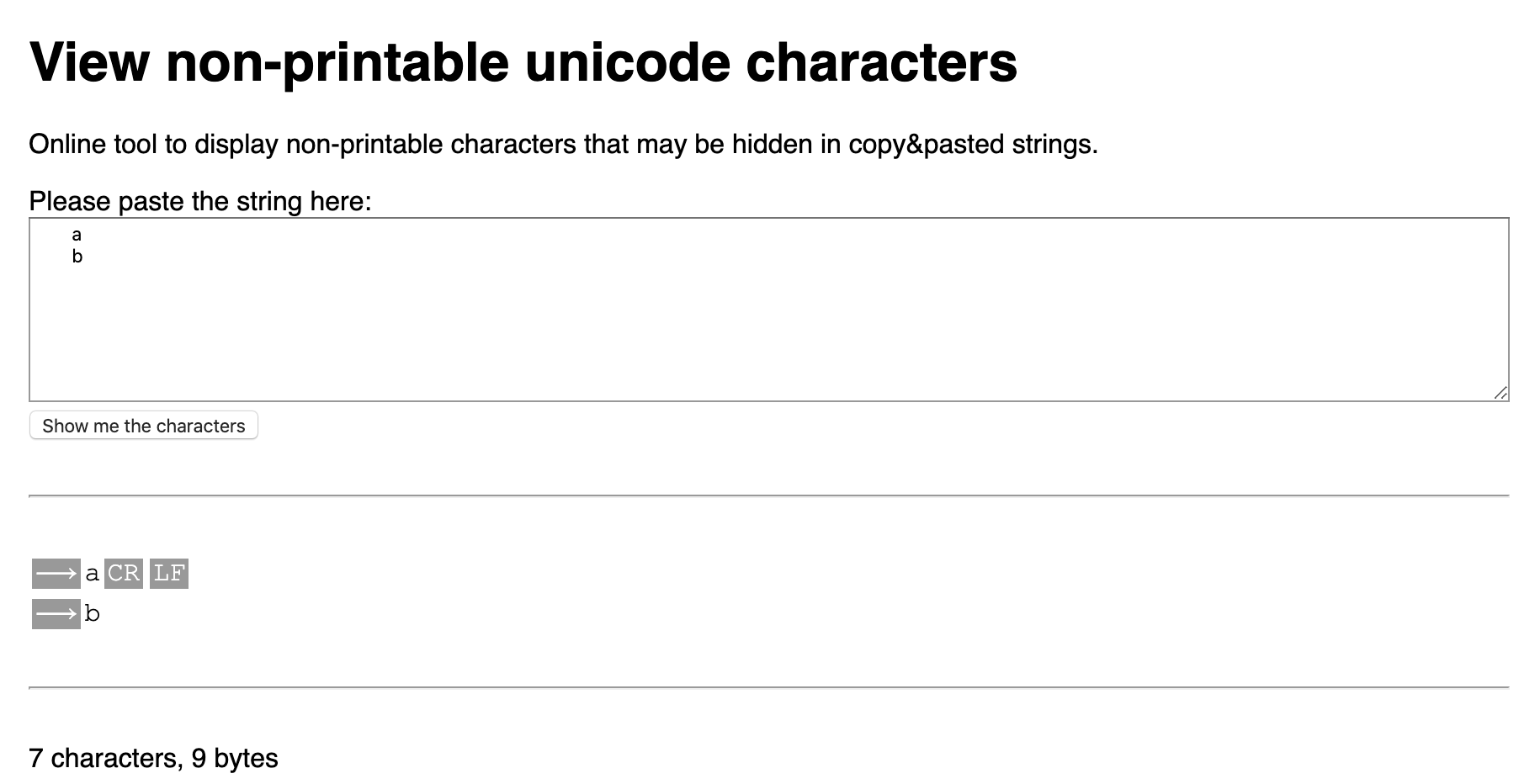
Indentation Misalignment Due To Invisible Character Issue 93689 Microsoft vscode
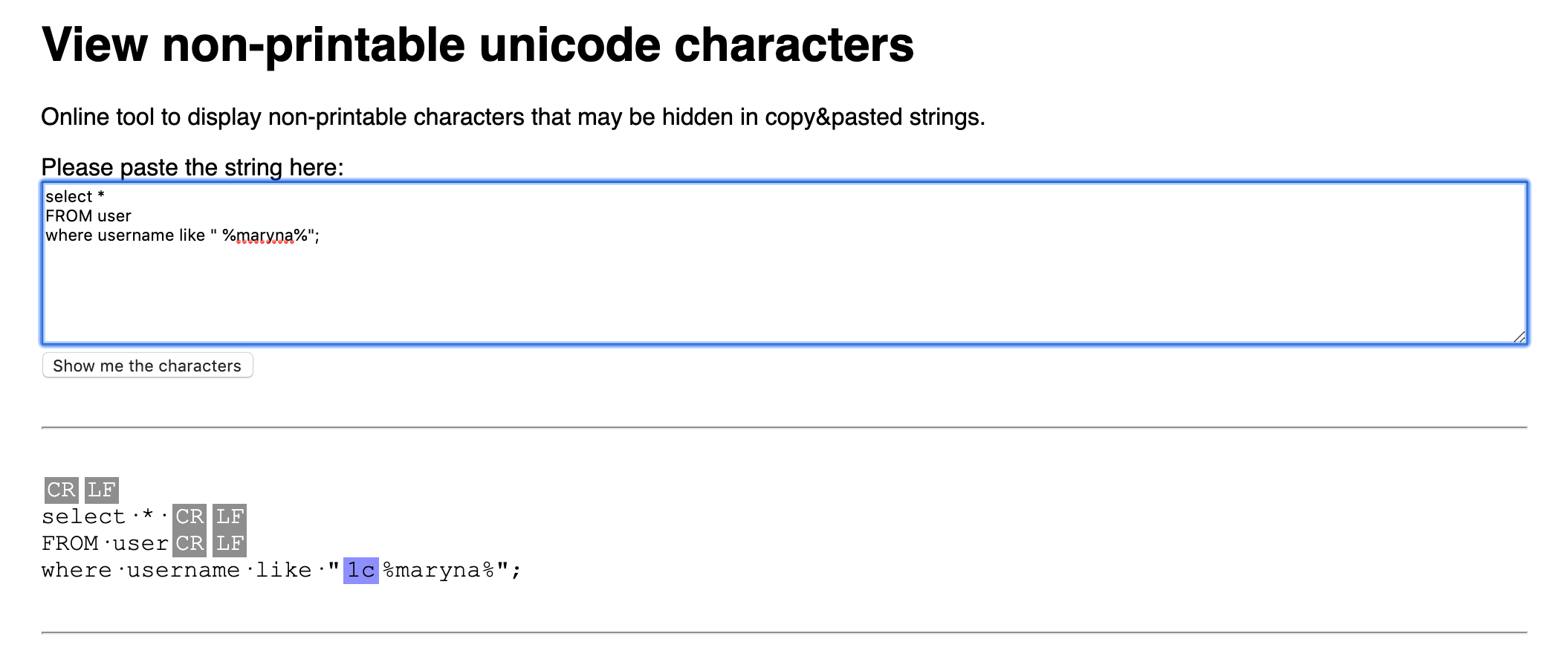
SQL Query Tab Adds Non printable Unicode Characters Issue 1634 TablePlus TablePlus
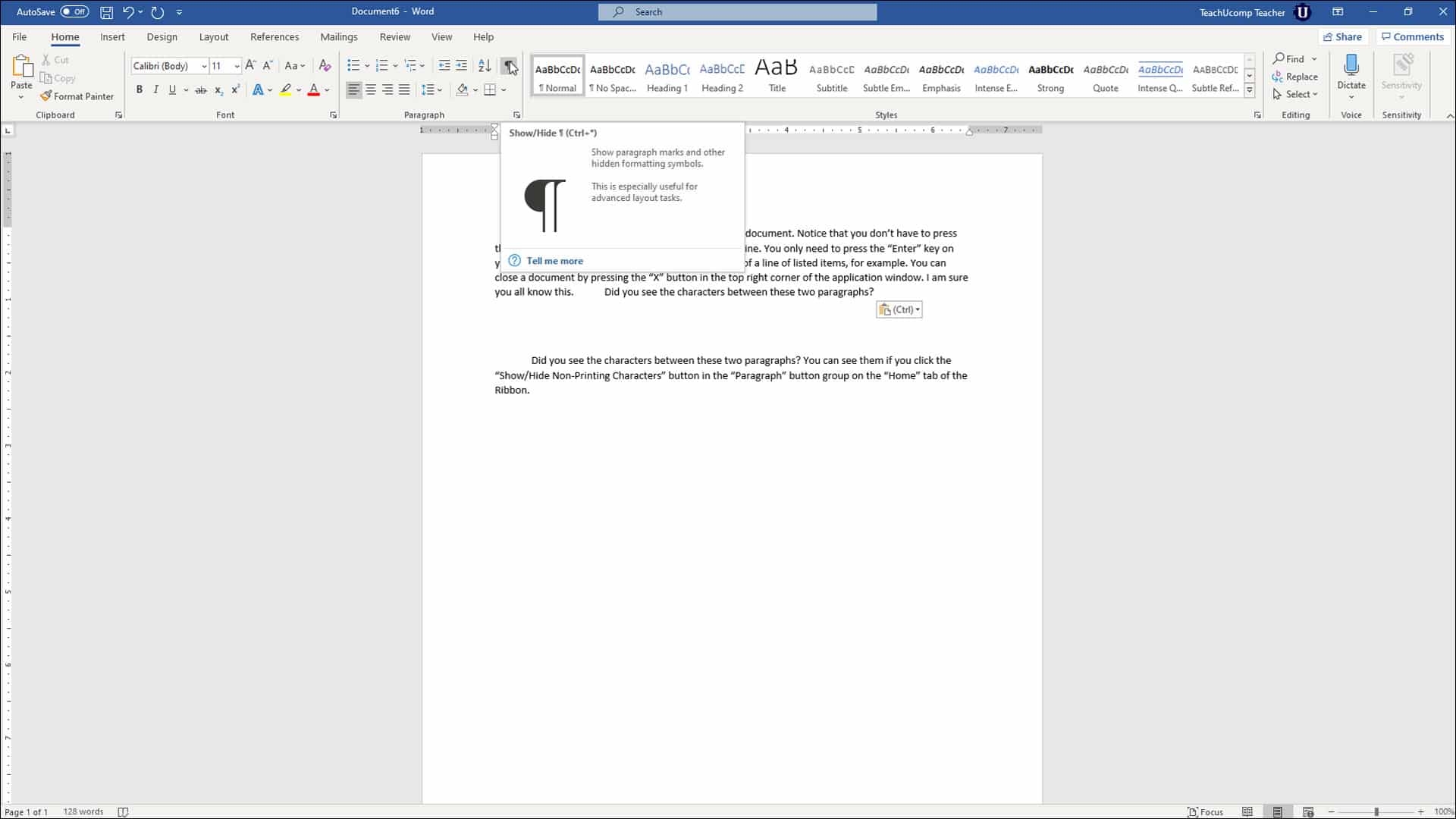
Show Non Printing Characters In Word Instructions And Video